The Egyptian Book of the Dead: A Window into the Afterlife and its Parallels with Christian Beliefs
The Book of the Dead, or “Book for Coming Forth By Day”, was a personalized roadmap to ensure the deceased’s safe journey through the underworld. The afterlife was fraught with dangers—demonic creatures, snakes, and judgment—but with the proper spells, hymns, and prayers, the soul could overcome these obstacles and achieve eternal life. This post focuses on correlations between the ancient Egyptian rituals and beliefs found in the Book of the Dead and those found in Christianity with an emphasis on the scene titled “The weighing of the heart.”
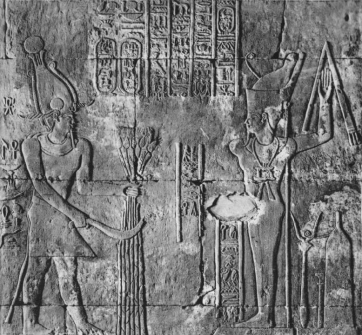
The Egyptian Book of the Dead is one of the most fascinating texts of the ancient world. A funerary guide dating back to the Pyramid Texts of the Old Kingdom (around 2400 BCE) in Saqqara, this collection of spells, prayers, and rituals helped the deceased navigate the afterlife. The collection of magical spells and prayers were created to guide the dead through the underworld.
Parts of the text first appeared in Saqqara, Egypt inside the pyramid of Pharaoh Unas dating over 4,000 years . Initially reserved for royalty, the texts later became widely available, mass-produced, and customized for individuals, reflecting the evolving beliefs of ancient Egyptian society.
By the New Kingdom period (around 1500 BCE), it was being copied onto scrolls of papyrus, and colorful illustrations were also added during this era. Families would commission a version tailored to their loved one.
The Book of the Dead themes and rituals share striking similarities with Christian funeral traditions pointing to a broader Mediterranean cultural syncretism that occurred during Egypt’s transition to Christianity.
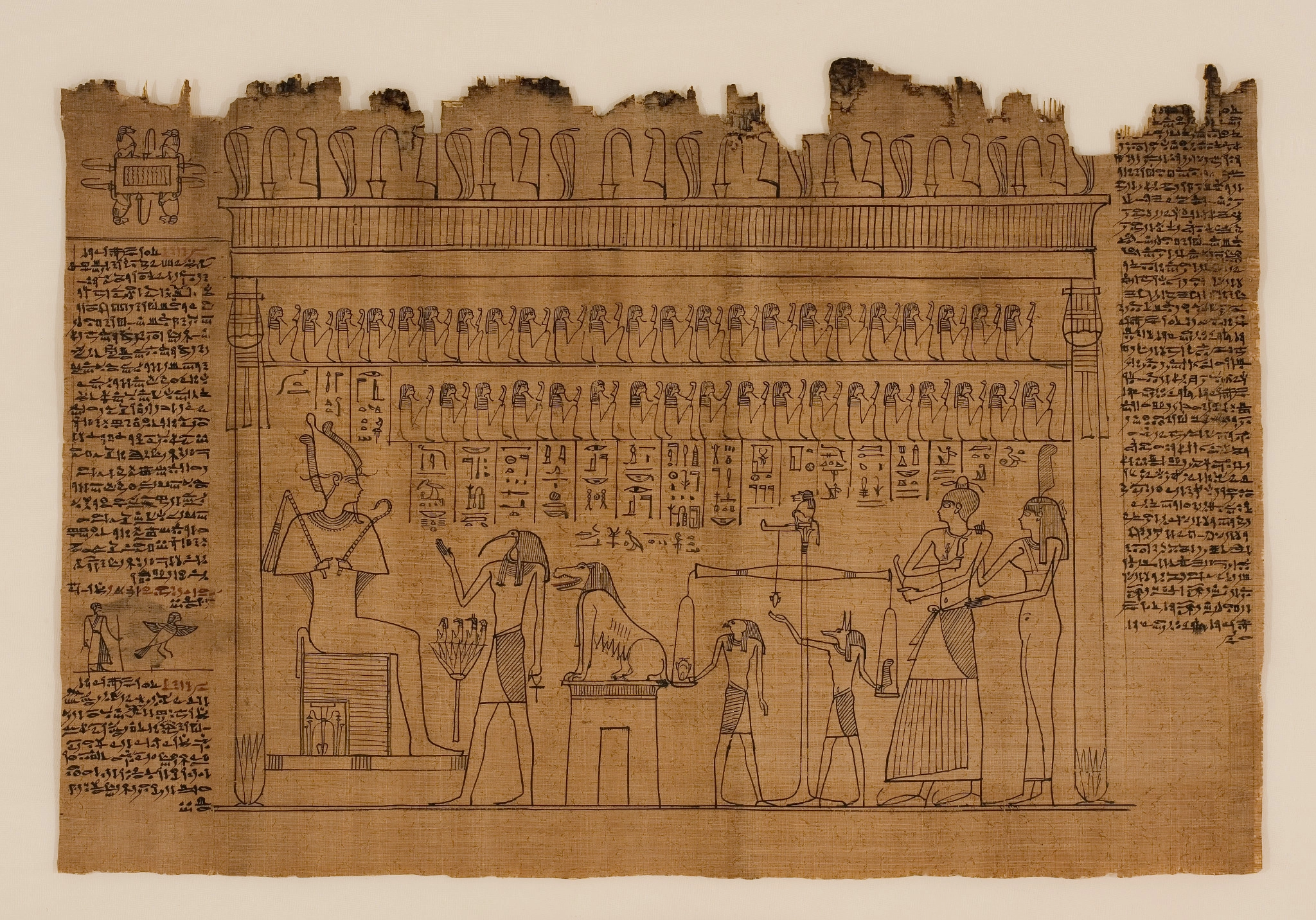
Scene: The Weighing of the Heart (Spell 125):
The deceased is brought before Osiris, god of the dead, and their heart is weighed on a scale against the feather of Ma’at, the goddess of truth and justice. If the heart is as light as the feather (symbolizing a pure life), the soul is allowed into paradise. If not? The heart is fed to Ammit, a terrifying monster with the head of a crocodile and the body of a lion.
Parallels with Christianity
The rituals and themes in the Book of the Dead echo familiar Christian ideas surrounding death, judgment, and salvation.
- Belief in the Afterlife
Both the Book of the Dead and Christian traditions emphasize life after death. Egyptians believed the soul would live eternally if it passed judgment, while Christianity teaches resurrection and eternal life for the righteous. - Judgment of the Soul
- In Egyptian tradition, Osiris judges the soul in the “Weighing of the Heart.” The heart symbolizes moral integrity and is balanced against truth (Ma’at’s feather).
- In Christianity, souls face final judgment before God, where their actions determine their eternal fate, as described in the Book of Revelation.
- Guidance for the Deceased
- The Book of the Dead serves as a guidebook, providing spells to protect the deceased and ensure a smooth journey.
- Christian funeral texts include prayers and scriptures (e.g., Psalm 23) to comfort and guide the soul to heaven.
- Protection and Salvation
Egyptians used incantations to ward off dangers in the underworld, while Christians invoke God’s mercy through prayers for the deceased’s salvation. - Rituals and Rites
Both traditions employ rituals, such as the preparation of the body, recitations, and offerings, to help the soul transition and to comfort the living.
Reflection
The parallels between these texts offer insight into how cultures throughout history have grappled with a universal: What happens after death?
As Egypt transitioned to Christianity in the 4th century CE, many pre-existing pagan traditions likely influenced emerging Christian rituals and beliefs.
Explore More:
- Visit the Detroit Institute of Arts to see the Book of the Dead of Nes-Min: DIA Collection Page.
- For further reading: The Oxford Handbook of the Egyptian Book of the Dead by Rita Lucarelli and Martin Andreas Stadler.